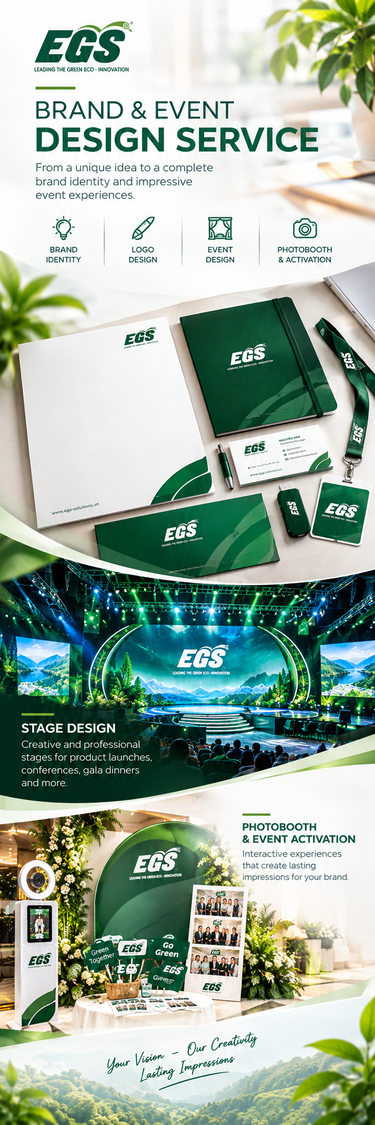
What does a brand identity kit include? What does a business need?
What does a brand identity kit include? How much does a business need to have?
A business can start with a logo. But a professional brand cannot stop at just the logo.
As a business expands, the brand appears on the website, portfolio, packaging, signs, social networks, sales materials, events, office space and dozens of other touch points. If each place is designed in a different way, the brand can easily become disjointed. That's why businesses need a brand identity.
But what does a brand identity include? Is it true that the more items a business does, the more professional the brand is? Or does a good identifier need to be built according to a different logic?
The answer lies in how businesses view brand identity: this is not a collection of design files, but a system that helps the brand be recognized and remembered consistently.

1/ WHAT IS A BRAND IDENTITY KIT?
A brand identity is a system of visual elements and guidelines that helps a business present a consistent brand across customer touchpoints. The logo is just one component of this system.
A good brand identity needs to answer more important questions: how does the brand want to be perceived? What imagery represents the brand? What colors should be maintained? What typography creates a suitable feel? And how will these elements be used in practice?
Therefore, brand identity design shouldn't begin with the question, "How should the logo be designed?"

It should begin with the question: “Who does the business want customers to remember it as?”
This is the difference between designing a few publications and building a brand identity system.
2/ WHAT DOES A BRAND IDENTITY KIT INCLUDE?
There isn't a fixed list that applies to every business. The size, industry, business model, and development strategy will determine the level of brand identity a business needs. However, a professional brand identity is usually developed from the following main groups:
01. Logo and Logo System
The logo is the most important identifying mark of a brand. A professional logo system doesn't just have a single version. Depending on the implementation needs, the brand may need horizontal, vertical, symbolic, monochrome, negative versions, or versions suitable for different platforms.
The important thing isn't having many logo versions. The important thing is that the logo can function consistently in the contexts the business actually uses it in.
A logo that looks good on a presentation but is difficult to use on a website, signage, packaging, or video is not a good brand identity system.

02. Brand Colors
Color creates very quick recognition.
A brand can choose a main color, secondary colors, and a supporting color system. Color parameters also need to be standardized to avoid the situation where the same brand color appears in many different shades across publications.
For businesses, this is especially important when multiple personnel, suppliers, or agencies are involved in implementing communication.
03. Typography and Font System
Fonts are often overlooked because they don't create the same "impressive" feeling as a logo.
But when a brand appears daily on websites, proposals, catalogs, social media, videos, and sales materials, typography becomes a huge part of the brand experience.
A professional brand identity system needs to define how fonts are used, heading levels, content, spacing, and how different typefaces are combined.
04. Visual and Graphic System
This is the part that helps brand recognition not be limited to the logo. Businesses can build visual styles, icons, patterns, graphic elements, illustrations, or image processing principles that align with their brand positioning.
When this system is well-developed, customers can recognize the brand even when the logo isn't prominently displayed.
05. Brand Identity Applications
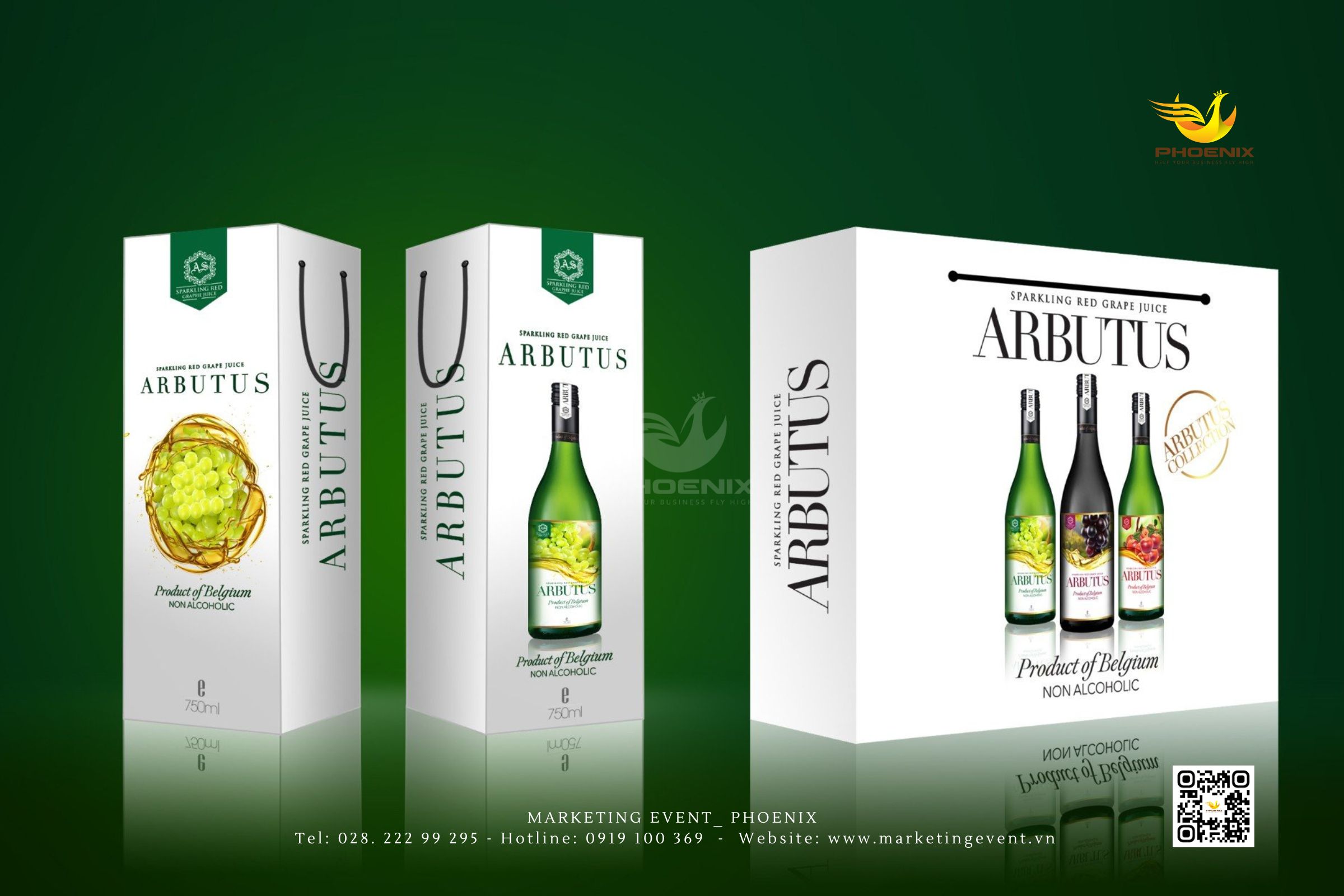
This is where the brand identity system moves beyond the design phase and into practical operation. Depending on the business, the application system may include business cards, letterheads, email signatures, company profiles, proposals, catalogs, packaging, signage, uniforms, vehicles, office space, websites, social media, and communication materials. Not every business needs all of these items.
A manufacturing business, a technology company, and an F&B brand will have completely different touchpoints.
Therefore, a good brand identity isn't the one with the most items. It's the one that covers the most important touchpoints of the brand.
3/ ARE BRAND GUIDELINES PART OF THE BRAND IDENTITY KIT?
Yes, but we need to distinguish between identity assets and identity usage norms. Brand Guidelines, or brand manual, are documents that provide guidance on how to use the identity system consistently. It is a table that regulates logo placement, safe distance, minimum size, color, typography, image usage, correct and incorrect use cases as well as implementation principles on different platforms. This becomes especially important as the business grows.
A company with a few employees can control its brand image by direct communication. But when a business has many departments, branches, partners and agencies, sending just one logo file is not enough.
Brand Guidelines help turn brand identity into an actionable system.

4/ HOW DOES A BASIC BRAND IDENTITY KIT DIFFER FROM A FULL BRAND IDENTITY KIT?
This is a question businesses should ask themselves before starting a project.
A newly established startup may not need a system with hundreds of items. In the early stages, key assets can focus on the logo, colors, typography, brand imagery, basic communication materials, and frequently used business platforms. Conversely, a long-established business or one with multiple branches may need a more in-depth system.
In that case, brand identity needs to take into account the website, social media, sales kit, packaging, signage, physical spaces, events, and many other touchpoints.
Therefore, the correct question is not: “How much does a brand identity system cost and how many items are there?”
Instead, it should be: “How many touchpoints does the business have that need to be identified, and which ones directly impact customers?”
This forms the basis for determining a reasonable investment scope.
5/ WHY DO BUSINESSES WITH BEAUTIFUL LOGOS STILL NOT HAVE A STRONG ENOUGH BRAND?
This happens quite often. A well-designed logo is given, but the website uses a different style. Social media uses different imagery. Sales proposals don't follow the same system. Packaging is one style, events are another, and internal documents continue to use different versions.
As a result, the business has a logo but lacks a unified brand language. Customers see each image separately, but struggle to form a clear association with the brand.
A strong brand doesn't necessarily need to appear frequently. It needs to appear consistently long enough and clearly enough for that image to become memorable.
Building a website optimized for customer experience.
6/ WHEN SHOULD A BUSINESS BUILD OR REVISE ITS BRAND IDENTITY?
Not all long-established businesses need to change their brand identity. Some brands already have a good system and only need to standardize their implementation. Conversely, some businesses that have only been operating for a few years may have a brand identity that is no longer suitable for their development direction.

Businesses should review their brand identity system when brand positioning changes, target markets shift, the business expands into new areas, or the current image no longer reflects the scale and position the business aims for.
Another often overlooked sign is that the brand becomes increasingly prevalent but increasingly inconsistent. In that case, the problem may not be with the logo. The problem lies in the system itself.
7/WHERE SHOULD YOU START WHEN DESIGNING A BRAND IDENTITY?
An effective brand identity project isn't about choosing colors or finding a beautiful logo. First, it's necessary to understand the business: its business model, customers, market, competitors, positioning, and development direction. From that foundation, you can determine what feeling the brand needs to create and where it differentiates itself.
Then, the strategy is transformed into visual language: logo, colors, typography, images, graphics, and application systems.
Finally, standards are established to ensure consistent implementation in practice.
Strategy → Brand Idea → Identity System → Application → Standards.
If you skip these initial steps and only start with design, the business can easily have a beautiful brand identity but one that lacks a reason to exist.
9/ BUSINESSES DON'T NEED A "LOT" OF BRAND IDENTITY CREATIONS
A common mistake is equating the quantity of design elements with brand quality. A business might possess hundreds of design files but still lack a strong brand identity system.
Conversely, a system built strategically, covering the right touchpoints, and with scalability will have far greater long-term value.
Especially for growing businesses, brand identity needs to be designed to grow with the business, rather than just looking good at launch.

How did Phoenix approach brand identity design?
At Phoenix, brand identity design doesn't begin by asking a business what color logo they want.
We start by understanding where the business is, how they want to be perceived, and where the brand identity system needs to operate.
From there, the identity is built into a system that can be applied across the brand's real-world touchpoints, from business documents, digital, website, packaging to spaces and communications.
Because the ultimate goal isn't just to create a beautiful design portfolio. The goal is to help the business build an image that is recognizable, memorable, and consistently used throughout its growth.

Are you looking to build a new brand identity or want to reassess your current system?
Phoenix can work with your business to review everything from positioning and visual language to your brand identity system and the touchpoints that need to be implemented.
Contact Phoenix to discuss your business's branding challenges and determine the appropriate scope of identity for your current stage of development.